
Buenos Aires Travel Guide
Buenos Aires deserves at least 3 days. See the center (Plaza de Mayo, Recoleta, San Telmo), spend time in Palermo, and add a tango night and a parrilla dinner. Stay in Palermo, Recoleta or San Telmo, and use ride apps at night.
Short answer: give Buenos Aires 3 days. See the historic center, Recoleta and San Telmo, walk through Palermo, and add tango and a parrilla dinner. Stay in Palermo, Recoleta or San Telmo, and use ride apps at night.
I was born in Buenos Aires and lived here for most of my life. It is a big city with a European air, full of life, that invites you to stroll without hurry, enjoy long meals and follow your curiosity. This is how I would organize a first visit.
What to see
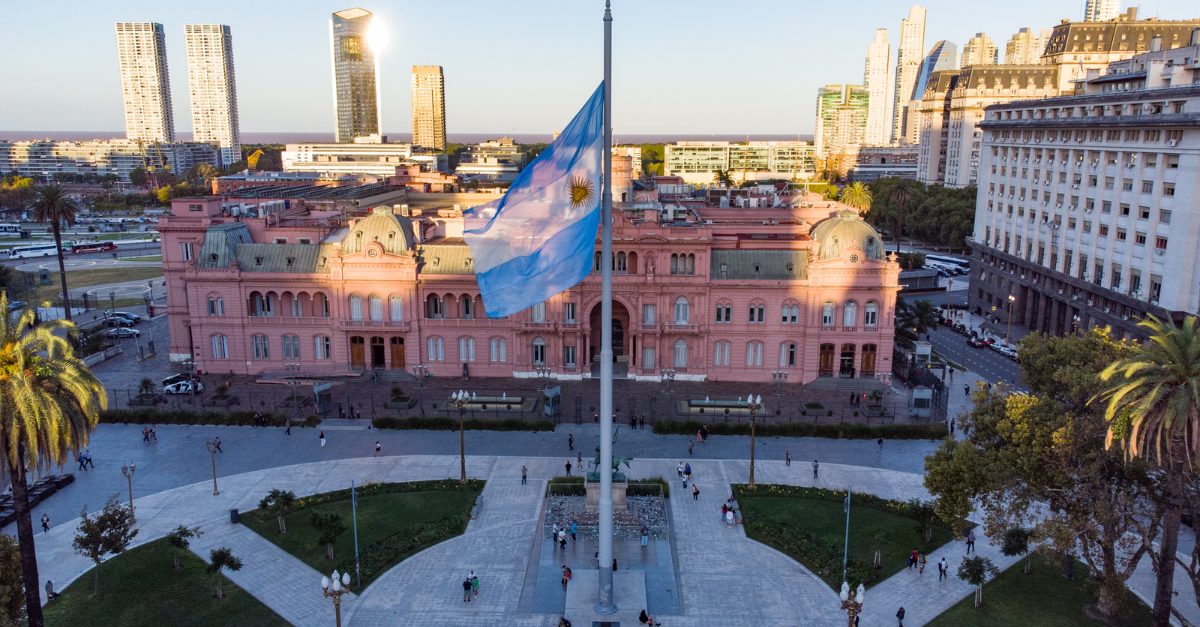
- Plaza de Mayo and the Casa Rosada, the political heart of the country, with the Cathedral and the Cabildo nearby.
- Recoleta Cemetery and the neighborhood’s cafés and bookstores.
- San Telmo, with cobblestone streets, antiques and its Sunday market.
- Palermo, with parks, cafés, shops and restaurants.
- Puerto Madero and the Costanera Norte for a waterfront walk.
- Teatro Colón, one of the great opera houses.
- El Ateneo Grand Splendid, one of the largest bookstores in the world, in an old theater.
- Avenida 9 de Julio, commonly called the widest avenue in the world (Wikipedia gives about 110 m; some sources say 140 m). The Obelisco stands where it meets Corrientes.
- Avenida Corrientes, with nights that seem to have no end. A stretch of it, between Callao and Libertad, becomes pedestrian at the weekend.
- La Boca and Caminito for the colorful houses, in daylight and on the main tourist route only.
Neighborhoods: where to stay
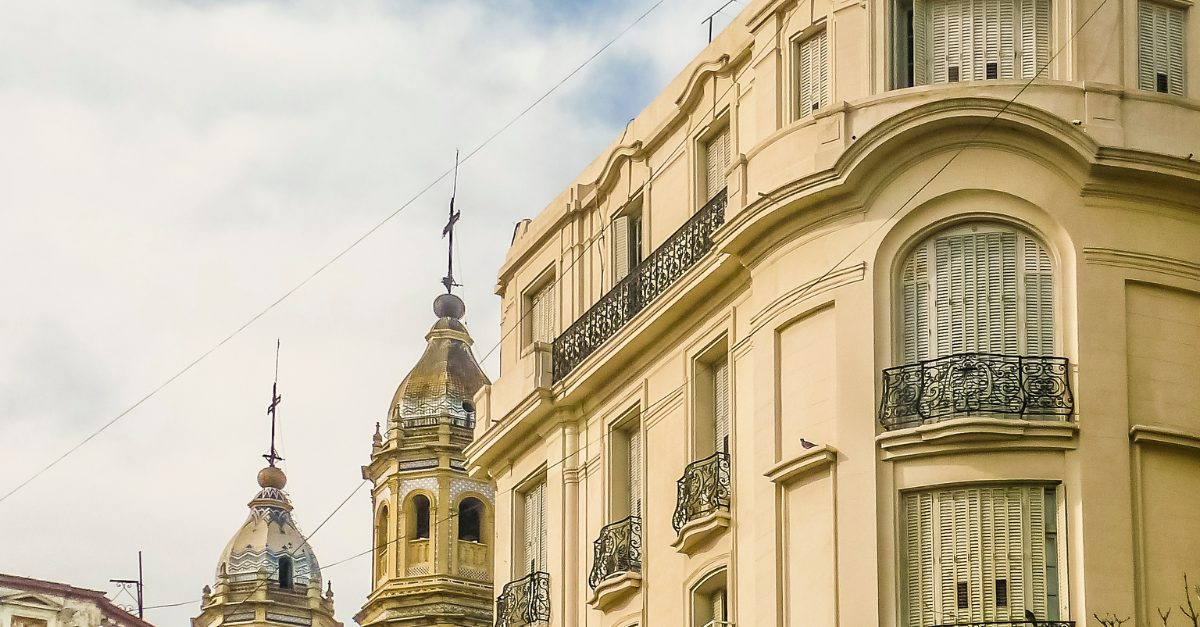
| Neighborhood | Style | Best for |
|---|---|---|
| Palermo | Lively, trendy, restaurants | First-timers, nightlife |
| Recoleta | Elegant, central | Comfort, walking |
| San Telmo | Historic, bohemian | Atmosphere, tango |
| Microcentro | Business, central | Convenience, but quiet at night |
| Puerto Madero | Modern, waterfront | Views |
Tango and food
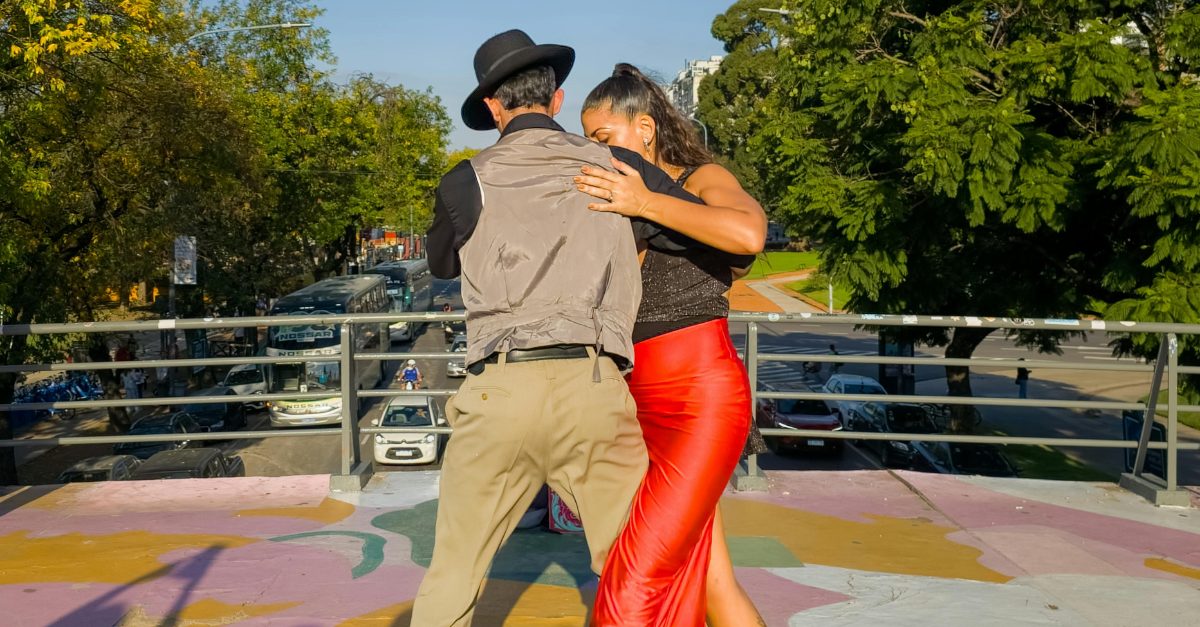
- Tango: see a show or visit a milonga to watch locals dance. Book ahead.
- Parrilla: an Argentine steakhouse. Try asado, entraña and provoleta.
- Dinner is late, often after 9 pm. Lunch is around 1 to 3 pm.
- Café culture: order a café con leche with medialunas.
- Mate is a social ritual. If you are offered, accept.
Day trips
- Tigre and the Delta, by train and boat.
- Colonia del Sacramento, in Uruguay, by ferry.
- An estancia day in the countryside for a gaucho experience.
Tourist bus (hop-on hop-off)
The city’s tourist bus works as a hop-on hop-off: you can get on and off at any stop as many times as you want while your pass is valid. See the official site.
- Price (24-hour pass): about ARS 46,000 for foreigners and about ARS 25,000 to 30,000 for Argentine residents (children and retirees about ARS 12,500 to 15,000). There are also 48 and 72-hour passes. The press reported these prices in January 2026, and prices change often, so check the official site before you go.
- Main stops: Plaza de Mayo and San Telmo, La Boca (Caminito), Puerto Madero, Recoleta (including the cemetery and the cultural center) and Palermo (the woods and green areas). The circuit has between 22 and 27 stops.
- Time and frequency: the full route without getting off takes 3 to 3.5 hours, and buses pass every 15 to 30 minutes.
- Extras: an audioguide recorded in several languages and, in some cases, extra benefits such as discounts in shops or free guided walks at some points.
Checked on 24 Oct 2026, from press reports: the 24-hour prices for foreigners and residents, the existence of a 48-hour pass, the 3 to 3.5 hours and the audioguide. Not re-checked: the number of stops, the 15 to 30 minute frequency, the 72-hour pass and the extras, which come from the operator.
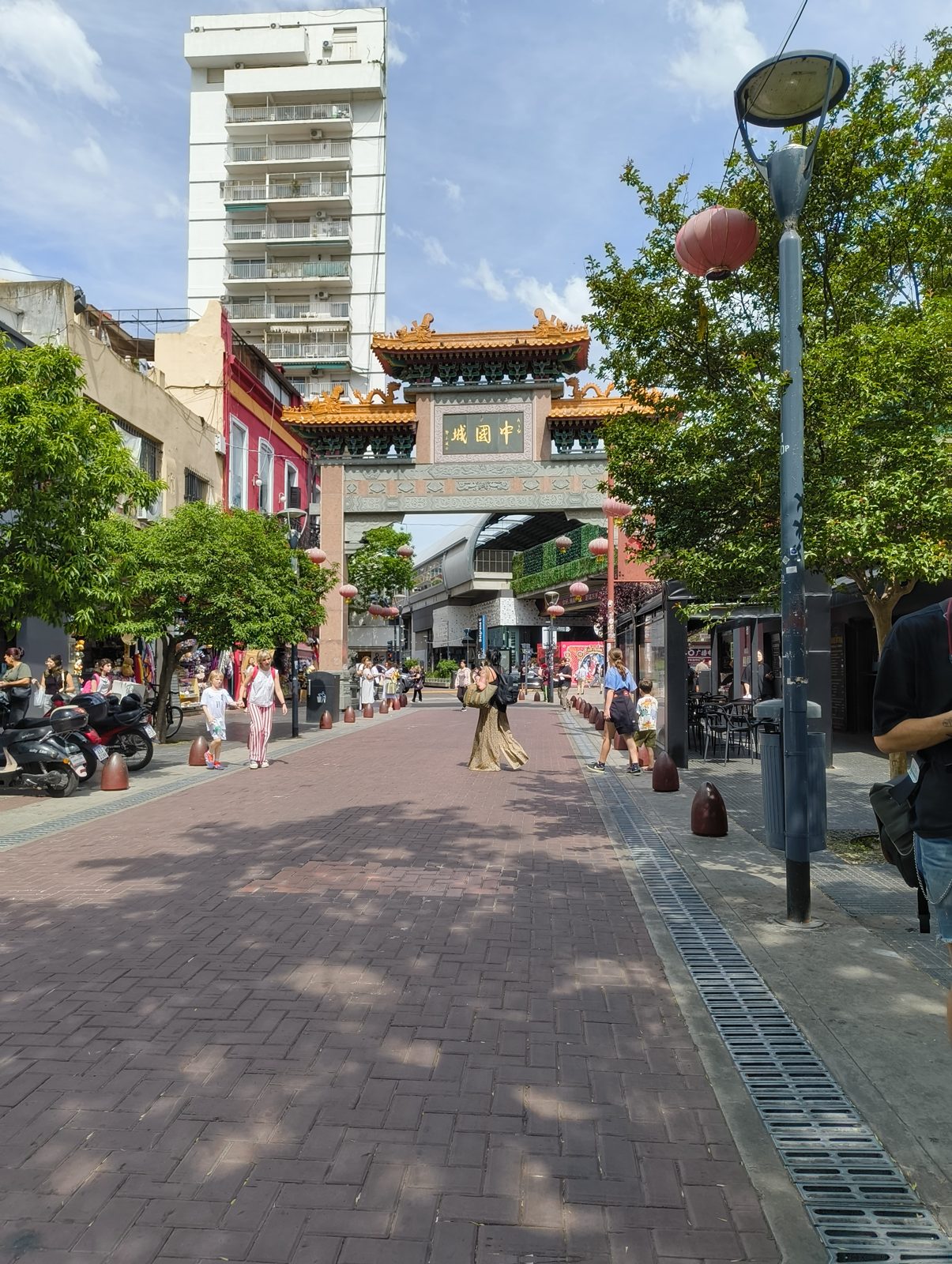
Getting around
- Subway (subte), buses and ride apps. The transport card is SUBE. You can buy it at SUBE points (lottery agencies, train and subway stations, some shops) or online; see how to get a SUBE card (checked 24 Oct 2026; check the price there).
- Airports: international flights land at Ezeiza (EZE) and many domestic flights use Aeroparque (AEP), so allow time and money to transfer between them.
- Use ride apps or official radio taxis at night.
Safety
The main risk is petty theft and phone snatching. Keep your phone away on the sidewalk, carry only what you need and take a ride when streets are empty. Read the safety guide.
When to go
Spring and autumn are the best. Summer is hot and humid. See the best time to visit Buenos Aires, month by month, or the best time to visit Argentina for the whole country. Spending the holidays here? Read how Argentines celebrate Christmas and New Year’s Eve in Buenos Aires.
Plan your days
- 3 days: the classics, Palermo and tango. See my Buenos Aires 3-day itinerary.
- Longer? Add a day trip and a slower pace.
- Combine it: see the 10-day and 7-day itineraries.
If you want a plan with restaurants and neighborhoods for your style, I can plan your trip.
To budget the trip, read the money guide and how many days you need in Argentina.
By Mariela Cardinale, born in Buenos Aires, historian.
FAQ
How many days do you need in Buenos Aires?
Three days covers the classics. Four or five lets you add neighborhoods, a day trip and a slower pace.
Where should I stay in Buenos Aires?
Palermo, Recoleta and San Telmo are the best bases for first-time visitors. Palermo is lively and good for restaurants; Recoleta is elegant and central; San Telmo is historic and bohemian.
Is Buenos Aires safe?
Generally yes in the main tourist neighborhoods, with normal big-city habits. The main risk is petty theft and phone snatching. See the safety guide.
What is the best time to visit Buenos Aires?
Spring (September to November) and autumn (March to May) are the most pleasant. Summer is hot and humid. See the month-by-month guide at /best-time-to-visit-buenos-aires.
What is typical food in Buenos Aires?
Steak from a parrilla, empanadas, milanesa, pizza and pasta, dulce de leche desserts, and mate. Dinner is late.