
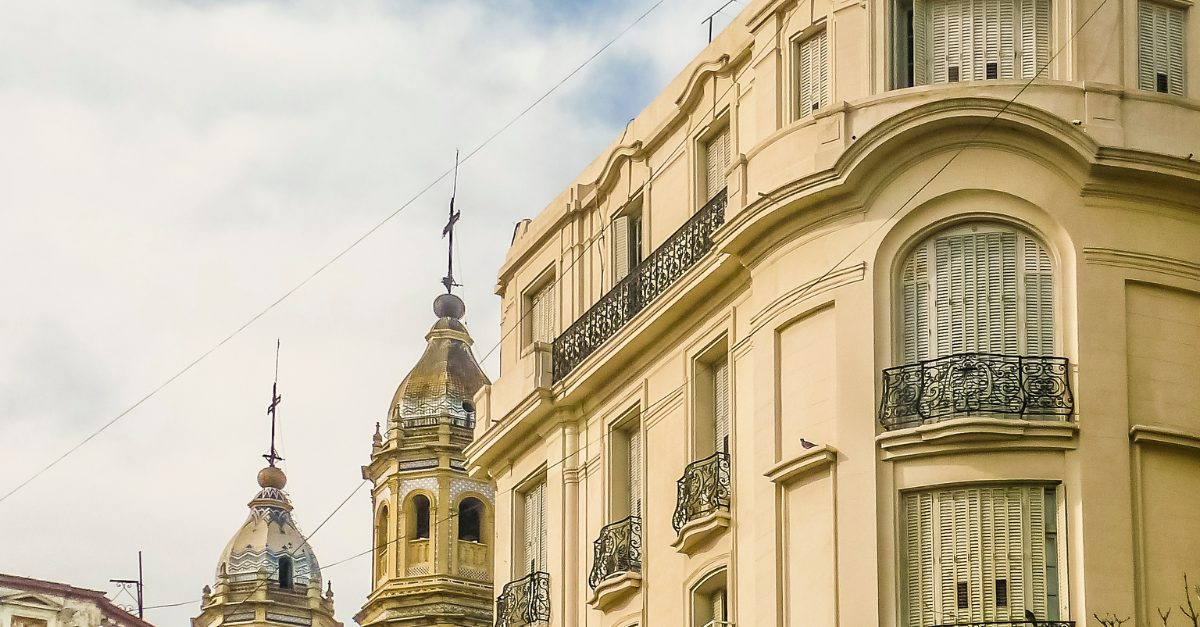
Is Argentina Safe to Visit? A Local's Honest Guide
Yes, Argentina is generally safe for tourists, and most trips go without problems. The real risks are petty theft and phone snatching in big cities, especially Buenos Aires, and they are easy to reduce with a few habits. Patagonia, Mendoza, Salta and Iguazú are much calmer.
Short answer: yes, Argentina is generally safe for visitors. The risk is mostly petty theft (pickpockets and phone snatching) in big cities, above all Buenos Aires. Violent crime against tourists is uncommon. Patagonia, Mendoza, Salta, Jujuy and Iguazú are much more relaxed. A few habits cover most of the risk.
Is Argentina safe to travel to right now? (November 2026)
Yes. Here is what the official sources say today, with dates:
- US State Department: Level 1, exercise normal precautions, the lowest of four levels. Issued 10 July 2026. Checked 12 November 2026.
- Argentina’s national security level: since 28 February 2026 the government keeps it at high nationwide, and it has not been lifted. It is a preventive measure: stronger protection of sensitive sites such as embassies and critical infrastructure, and reinforced controls at entry and exit points (official statement no. 138). In practice, expect stricter checks at borders and airports. Nothing in it restricts tourists or internal travel.
- What it means for your trip: arrive at the airport with your documents ready and a little extra time. Daily life, tourism and transport work normally. Rules can change, so check the advisory above again the week you fly.
I was born in Buenos Aires and lived in Argentina for 53 years. It is the question I hear most from people planning a first trip, and my answer is: do not let it scare you, but do not be naive about it either. This is what actually matters, without alarm and without sugarcoating.
What are the real risks?
- Pickpocketing and bag theft in crowded places: subway, buses, markets, tourist spots, bus terminals.
- Phone snatching. People grab phones out of hands, often from a motorbike or while you are walking and looking at the screen. It happens more in big cities.
- Scams aimed at tourists, such as overcharging, distraction tricks and counterfeit bills.
- Occasional protests and road blockades, which are usually peaceful but can delay transport.
Serious violent crime against visitors is not the typical story, but it can happen, which is why the habits below are worth keeping.
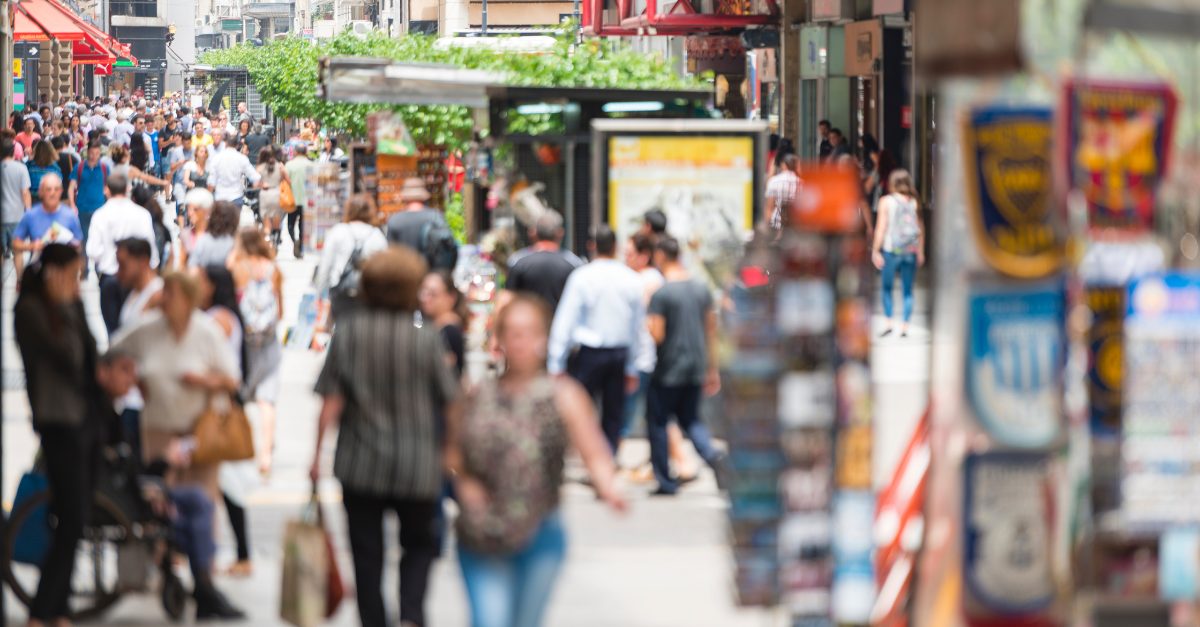
Is Buenos Aires safe? Is it safe at night?
For most visitors, yes, with the same attention you would use in any big city. Neighborhoods popular with visitors, such as Palermo, Recoleta, Belgrano, San Telmo (in the day) and Puerto Madero, are busy and fine for walking in the daytime and early evening. Be more careful:
- At night on quiet streets, in parks and around train and bus stations.
- Around Constitución, Once and the outskirts of La Boca unless you are with a guide or on a main tourist route.
- Whenever you notice you are one of the few people on a street.
A simple rule I give friends: if the street feels empty, take a ride app or a taxi, even for a short trip.
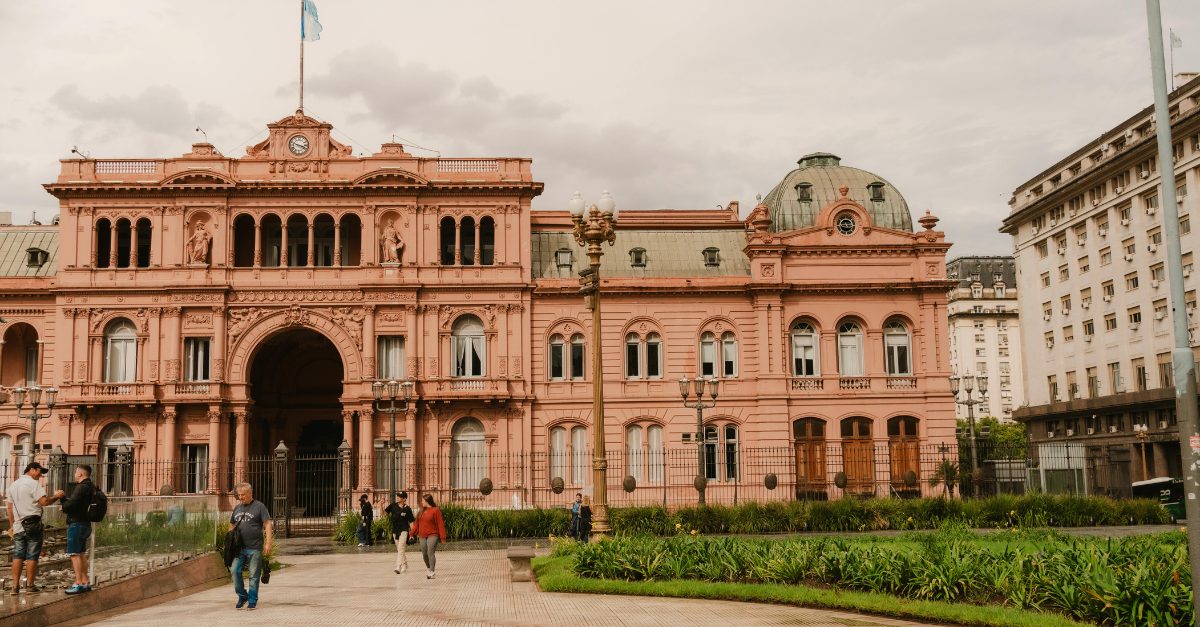
Is the rest of Argentina safe?
| Region | What to expect |
|---|---|
| Patagonia (El Calafate, El Chaltén, Bariloche, Ushuaia) | Very relaxed. The main risks are weather and mountain conditions, not crime. |
| Mendoza | Calm and welcoming. Watch your belongings in the city center. |
| Salta and Jujuy | Friendly and quiet. Altitude and long roads need more attention than crime. |
| Iguazú | Calm. Heat, sun and mosquitoes matter more. |
| Córdoba, Rosario | Normal big-city habits. |
Is Argentina safe for Americans and other foreign tourists?
Yes. Argentina receives millions of foreign visitors every year, and Americans do not need a visa for stays of up to 90 days (see the entry requirements guide). Safety does not depend on your passport: the risks and habits below are the same for everyone, and being a visible tourist with a phone in hand is what makes you a target in big cities.
Practical habits that make the difference
- Keep your phone away when you are on the sidewalk. Step into a shop or a doorway to check it, and don’t hold it up near the curb.
- Carry only what you need. Leave your passport in the hotel safe and carry a copy, unless you are traveling that day.
- Use a cross-body bag or a front pocket in crowds, and don’t hang bags on the back of a chair in cafés.
- Use ride apps or radio taxis at night. Avoid hailing unmarked cars. See below.
- Don’t flash jewelry, cameras or large amounts of cash.
- Split your money between your pockets, your bag and the hotel.
- Take a photo of your documents and keep a copy in your email.
Taxis and getting around
Ride apps and official radio taxis are the simplest choice. If you hail a taxi, check that it is marked, that the meter is running and that the fare makes sense. Keep small bills for the fare: taxi drivers often don’t have change. Buses and the subway are used by millions, but they are also where pickpockets work, so keep your things in front of you.
Common scams
- The “stain” trick. Someone sprays or spills something on you and a helpful stranger “cleans” you while another takes your bag.
- Fake police. Real officers do not ask to see your money. If this happens, ask for the station and walk to a public place.
- Taxi overcharging. Check the meter and use apps.
- Counterfeit bills. Look at the bills you receive, especially larger ones. See the money guide for how to pay and exchange.
- ATM tricks. Use machines inside banks and cover the keypad.
Demonstrations and strikes
Protests and strikes are part of Argentine life. They are usually peaceful, but they can block streets and delay buses, trains and flights. Check local news the day before you travel and keep a flexible plan if you have a tight connection.
Health and nature
- Water: in Buenos Aires and most cities, tap water is considered drinkable. If in doubt, drink bottled water.
- Mosquitoes in the north and in Iguazú in the warm months. Bring repellent, and check current health advice for the region before you go.
- Altitude in the northwest and in Mendoza’s mountains: take it easy on the first day.
- Weather and mountains in Patagonia: follow park rules and trail conditions. See the best time to visit.
- Travel insurance that covers medical care and theft is a good idea.
Emergency numbers
- 911: police, nationwide.
- Buenos Aires also has a tourist police service for visitors.
Save the numbers on your phone and know the address of your accommodation in Spanish.
What I’d tell a friend
Enjoy it. Most of the things that go wrong are small and avoidable: a phone that was held up on the street, a bag left on a chair. If you keep your phone away, choose a good area and take a ride at night, you will have the same trip as the thousands of visitors who come every year and leave in love with the country.
If you would like a route that already considers the safest and most comfortable way to move between places, I can plan your trip, and you can also check how many days you need.
By Mariela Cardinale, born in Buenos Aires, historian.
FAQ
Is Argentina safe to travel to right now?
Yes. As of 12 November 2026 the US State Department rates Argentina Level 1, exercise normal precautions, the lowest of its four levels. Argentina has also kept its national security level at high since 28 February 2026, a preventive measure that means stricter checks at borders and airports, not restrictions on tourists. Check the official advisory again before you fly.
What is the US travel advisory level for Argentina?
Level 1: exercise normal precautions. The advisory was issued on 10 July 2026 and is published at travel.state.gov. Advisories can change, so check the page before you travel.
Is Argentina safe for Americans?
Yes. US citizens travel to Argentina without a visa for stays of up to 90 days, and the main risk is petty theft in big cities. Keep your phone and bag secure, use ride apps at night and enroll in the State Department's STEP program if you like.
Is Buenos Aires safe at night?
Busy areas such as Palermo, Recoleta and Puerto Madero are generally fine in the evening. On quiet streets, in parks and around bus and train stations, take a ride app or a radio taxi, even for a short trip.
Is Argentina safe for tourists?
Generally yes. Most visitors have trouble-free trips. The most common problems are petty theft, pickpocketing and phone snatching in big cities, and they are mostly avoidable with basic precautions.
Is Buenos Aires safe?
The main tourist neighborhoods such as Palermo, Recoleta, Belgrano and Puerto Madero are busy and generally fine during the day and evening. Theft is the main risk, so keep your phone and bag secure and be more careful at night in quieter areas.
Is Argentina safe for solo female travelers?
Many women travel alone in Argentina without problems. Use the same big-city habits you would anywhere: choose well-located lodging, use ride apps or radio taxis at night, and keep your drink in sight.
Is it safe to take taxis in Argentina?
Use ride apps or official radio taxis, and avoid hailing unmarked cars. Always check that the meter is running and keep small bills so you can pay the exact fare.
Is the tap water safe to drink?
In Buenos Aires and most large cities the tap water is considered drinkable. In some rural areas and the north it is safer to drink bottled water. Ask at your accommodation.
What is the emergency number in Argentina?
Dial 911 for the police across the country. In Buenos Aires there is also a tourist police service. Check the current numbers before you travel.