Patagonia, Argentina
Argentine Patagonia is a huge region, so choose by interest: glaciers and hiking in El Calafate and El Chaltén, lakes in Bariloche, the end of the world in Ushuaia, and wildlife on the Atlantic coast. Plan 5 to 7 days per area and fly between areas.
Short answer: Argentine Patagonia is bigger than most countries, so choose by interest: glaciers and hiking (El Calafate and El Chaltén), lakes (Bariloche), the end of the world (Ushuaia) and wildlife (Península Valdés). Plan 5 to 7 days per area and fly between areas.
I was born in Buenos Aires and I know almost all of Argentine Patagonia from my own trips. Patagonia is the part of Argentina people dream about, and the best way to enjoy it is not to treat it as one place.
The main areas
| Area | Highlights | Base | Days |
|---|---|---|---|
| Glaciers and mountains | Perito Moreno glacier, Fitz Roy hikes | El Calafate, El Chaltén | 4 to 6 |
| Lakes and forests | Circuito Chico, lakes, skiing, chocolate | Bariloche | 3 to 4 |
| The end of the world | Beagle Channel, Tierra del Fuego | Ushuaia | 2 to 3 |
| Atlantic wildlife | Whales, penguins, sea lions | Puerto Madryn | 2 to 3 |
El Calafate and El Chaltén
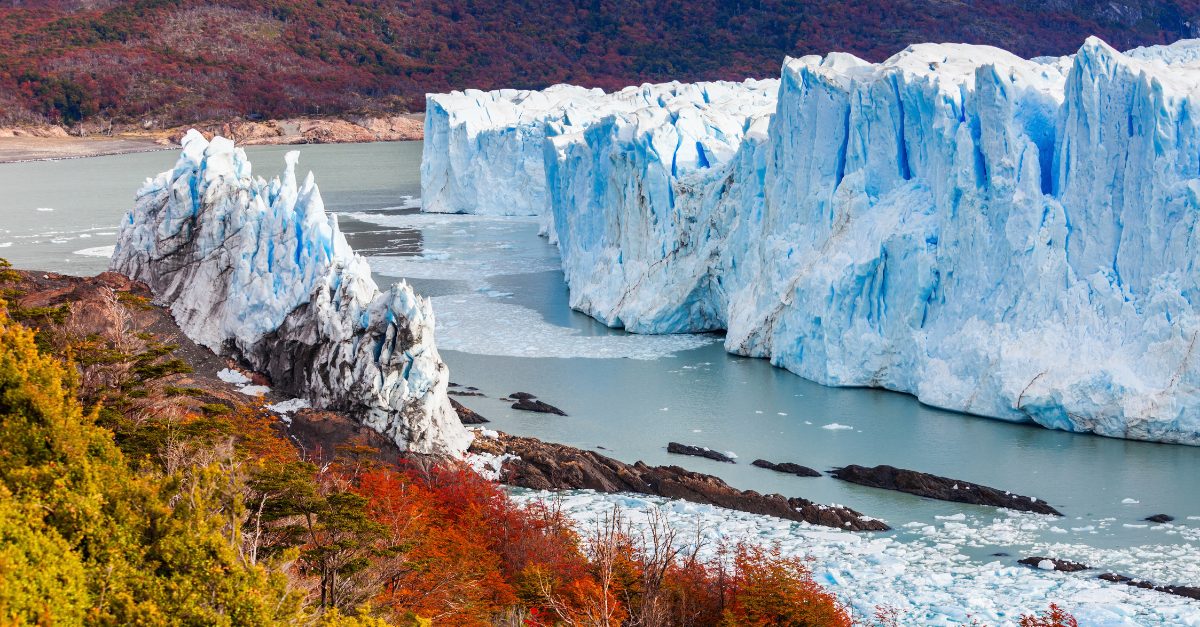
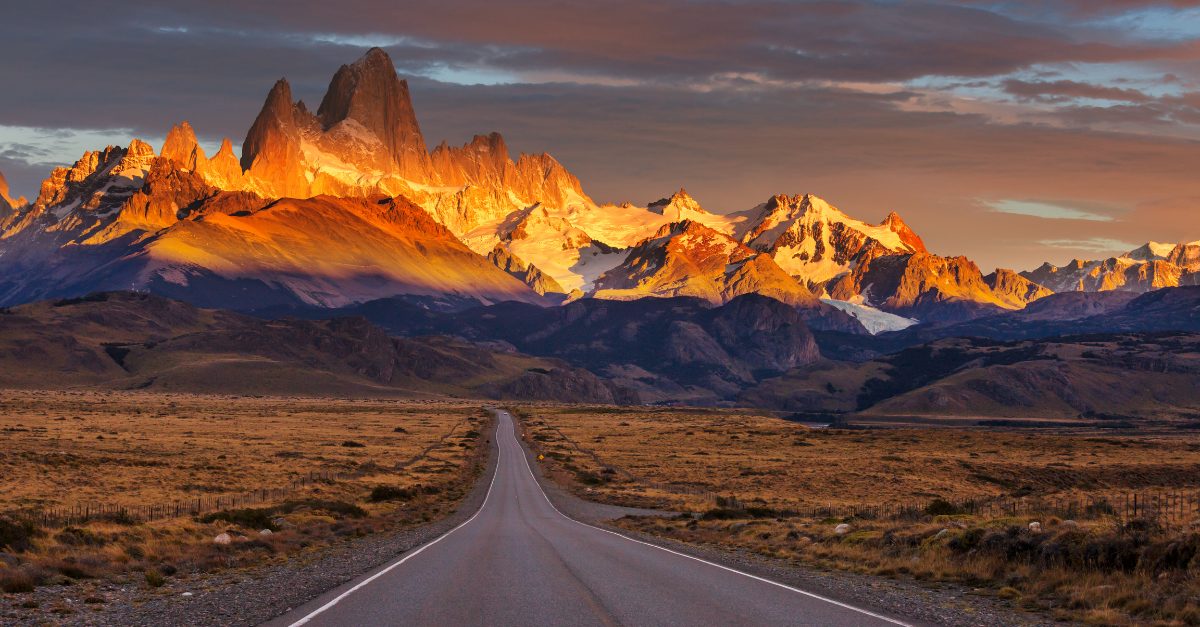
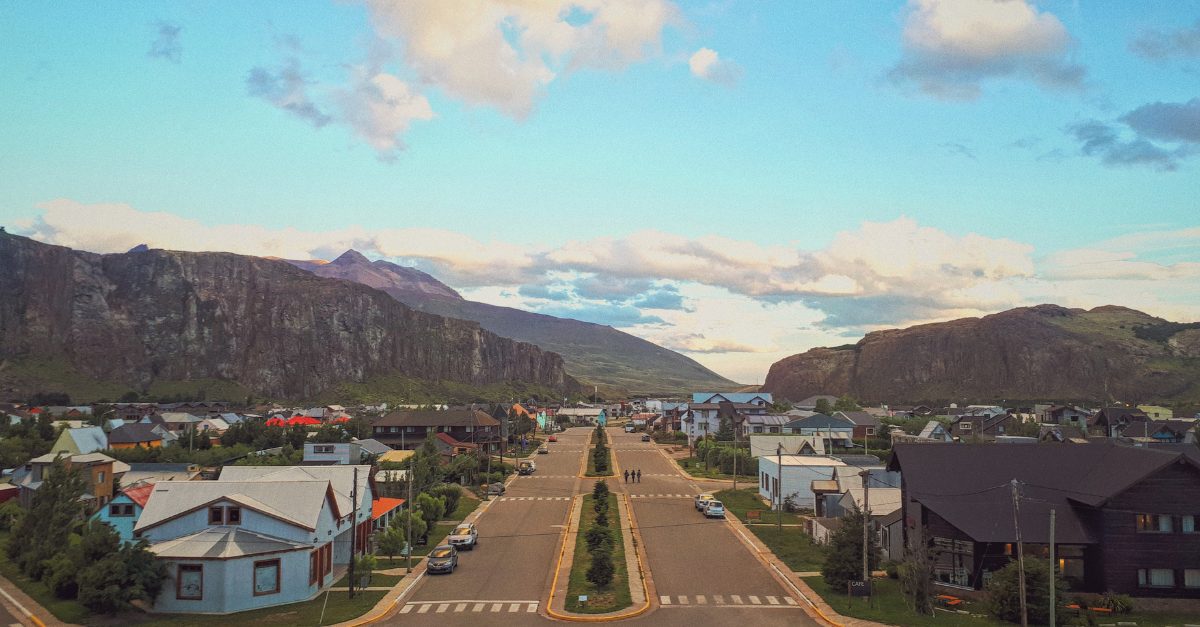
El Calafate is the base for the Perito Moreno glacier, one of the most accessible big glaciers in the world. El Chaltén, about three hours by road, is a hiking town at the foot of the Fitz Roy range. See the Los Glaciares guide and the El Calafate & El Chaltén itinerary.
Glaciers and mountains
These are the main glaciers of Los Glaciares National Park (Santa Cruz):
- Perito Moreno: the most famous glacier in the world for its easy access, its ice walls of almost 70 meters and its cyclic ruptures.
- Upsala: one of the largest in the park, about 54 km long, born in the Southern Patagonian Ice Field.
- Spegazzini: known for one of the highest ice walls in the region, about 135 meters (some sources say 120).
- Viedma: the longest glacier in Argentina, about 70 km long.
And the emblematic peaks:
- Cerro Chaltén / Fitz Roy: 3,405 meters above sea level. It is the symbol of El Chaltén, the National Capital of Trekking, and a magnet for climbers from all over the world.
- Cerro Torre: one of the hardest and most beautiful granite spires in world mountaineering, 3,102 meters high.
Checked on 24 Oct 2026: Fitz Roy height, the title of National Capital of Trekking, and the lengths and wall heights of Upsala, Spegazzini and Viedma. Not confirmed in my search: the height of the Perito Moreno wall and of Cerro Torre. Glacier figures change as the ice retreats, so treat them as approximate.
Bariloche and the lakes
Bariloche sits in the Nahuel Huapi region, with lakes, forests and mountain views, and it is the main ski town in winter. See the Nahuel Huapi guide.

Lakes and forests
- Ruta de los 7 Lagos: the most famous scenic drive in the region. It joins Villa La Angostura with San Martín de los Andes along National Route 40, past lakes such as Lácar, Machónico, Falkner, Villarino, Escondido, Correntoso and Espejo.
- Los Arrayanes National Park: on the Quetrihué peninsula (Neuquén), it protects a pure forest of arrayán trees with cinnamon-colored trunks and great biological value.
- Nahuel Huapi National Park: surrounds the huge Nahuel Huapi lake and the city of San Carlos de Bariloche, with mountain circuits, humid forests and beaches.
- Los Alerces National Park: in Chubut, it protects ancient alerce forests and clear lakes such as Rivadavia and Verde, with trails of different difficulty.
- Lanín National Park: dominated by the Lanín volcano, it includes lakes such as Huechulafquen and areas of natural hot springs.
Ushuaia and Tierra del Fuego
Ushuaia is one of the southernmost cities in the world, with the Beagle Channel and the national park. Many Antarctic cruises depart from here in the summer. See the Tierra del Fuego guide.
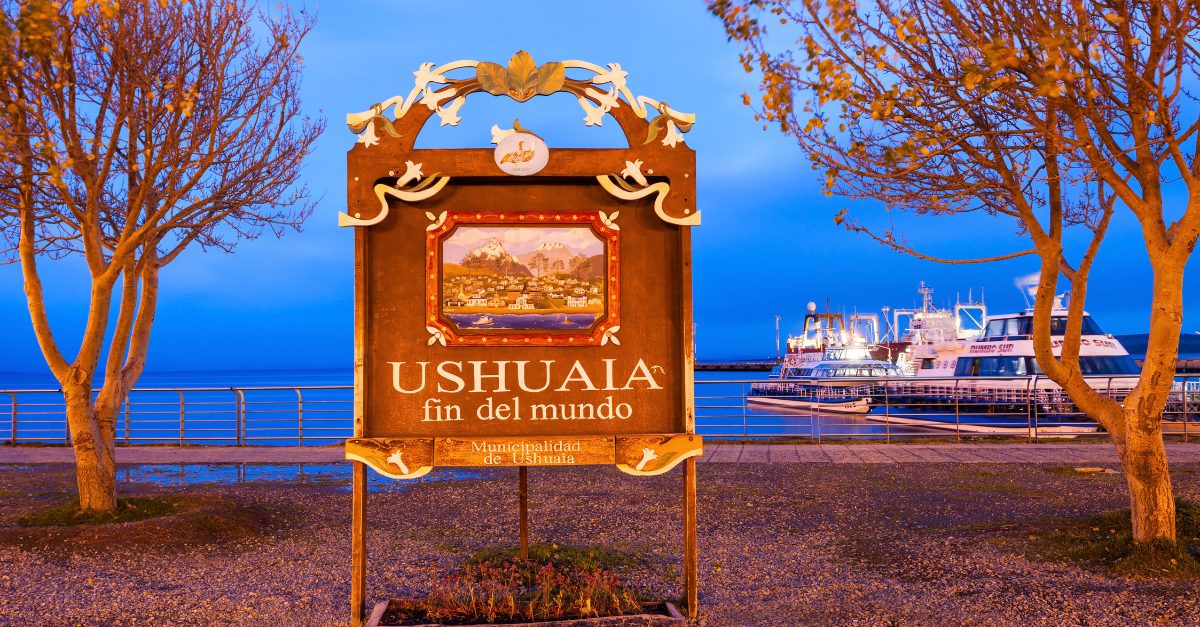
Why Patagonia is called “the end of the world”
Patagonia is considered the “end of the world” because of its position at the southern tip of South America, its huge emptiness and its extreme weather.
- Where it is: it spreads across southern Argentina and Chile, with mountains, glaciers, steppes and fjords, until it breaks up into Tierra del Fuego.
- Ushuaia: it is often called the city at the “end of the world” because it is one of the southernmost cities on the planet, at the end of Patagonia.
- Extreme nature: strong winds, low temperatures and very few people in a huge territory. In the south of Santa Cruz and in Tierra del Fuego the national weather service has forecast gusts of up to 100 km/h, and in places above 120 km/h (checked 24 Oct 2026).
- Myth: for centuries explorers saw it as an uncertain frontier, and today it still fascinates people looking for wild, untouched land.
Atlantic coast: Península Valdés
Península Valdés is known for whales (roughly June to December), penguins (roughly September to March) and sea lions (seasons checked 24 Oct 2026). Base yourself in Puerto Madryn or Puerto Pirámides.
Punta Tombo and the penguin colony
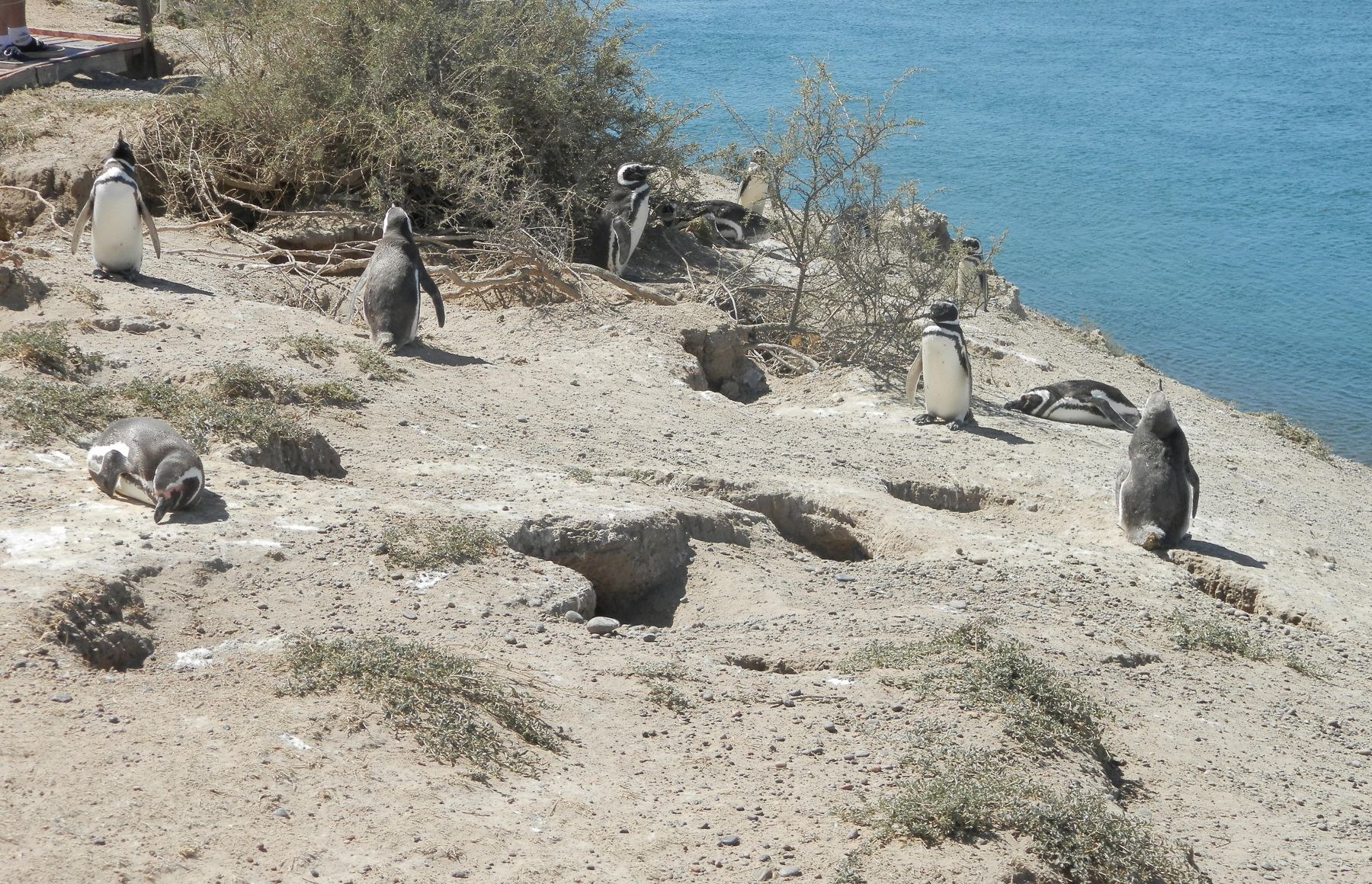
Punta Tombo (Chubut) is a huge Magellanic penguin colony on the coast. It is about 110 km from Trelew and about 180 km from Puerto Madryn, along Route 3, and the last part of the road is gravel. There is no public transport, so go with a tour, a remis or your own car, and fill the tank before you leave. The season runs from about mid-September to March or April (sources differ, so check the dates and fees before you go; checked 24 Oct 2026).
Wildlife of the Patagonian coast
Marine mammals
- Southern right whale (Eubalaena australis): visits the waters of Península Valdés to mate and raise its calves, roughly from June to December.
- Southern elephant seal (Mirounga leonina): one of the largest mainland colonies is on Península Valdés. They can be seen for much of the year, and spring is when there are most females and pups.
- South American sea lion (Otaria flavescens) and South American fur seal (Arctocephalus australis): live on beaches, rookeries and cliffs along the whole Patagonian coast.
- Orca (Orcinus orca): famous at Península Valdés for stranding on purpose to hunt sea lions. They are seen mainly from February to May at Punta Norte, and sometimes in October and November at Caleta Valdés. It is never guaranteed.
- Commerson’s dolphin (Cephalorhynchus commersonii): a small black and white dolphin, common in the gulfs and estuaries of Patagonia.
Coastal and sea birds
- Magellanic penguin (Spheniscus magellanicus): forms huge breeding colonies on the coast, such as Punta Tombo or Isla Leones, from September to March.
- Cormorants (imperial, neotropic and rock): nest on cliffs and coastal islands.
- Gulls and terns: look for the kelp gull (Larus dominicanus) and the brown-hooded gull.
- Magellanic oystercatcher (Haematopus leucopodus): a typical bird of pebble and sand beaches.
- White-headed steamer duck (Tachyeres leucocephalus): a flightless duck found only on the Chubut coast.
How to get around
- Fly between areas. Many flights go through Buenos Aires.
- Inside each area, use buses, book tours and excursions, or rent a car. A rental car gives you the most freedom for the coast, the lakes and the Ruta de los 7 Lagos, while tours are easier for glaciers and wildlife.
- Wind and weather can delay plans, so keep buffer days.
When to go
Patagonia is best from November to March. See the best time to visit.
Which side: Argentina or Chile?
See Argentina vs Chile Patagonia.
Sample routes
I can build a Patagonia route around your fitness, dates and budget. Plan my trip.
To budget the trip, read the money guide and how many days you need in Argentina.
How much will it cost? See my guide to Argentina travel costs.
By Mariela Cardinale, born in Buenos Aires, historian.
FAQ
What is the best part of Argentine Patagonia?
It depends on your interests. El Calafate and El Chaltén for glaciers and hiking, Bariloche for lakes, Ushuaia for the end of the world, and Península Valdés for wildlife.
How many days do you need in Patagonia?
Five to seven days for one area. For several areas, plan 10 days or more.
When is the best time to visit Patagonia?
November to March is the main season, with October and March as good shoulder months. Winter is for skiing around Bariloche.
How do you get around Patagonia?
Fly between areas. Within an area, use buses, tours or a rental car. Distances are very long.
Is Patagonia in Argentina or Chile?
Both. Patagonia is shared by Argentina and Chile. See the comparison guide to choose a side.
Where is Patagonia located in South America?
At the southern tip of South America. It spreads across southern Argentina and Chile, with mountains, glaciers, steppes and fjords, down to Tierra del Fuego and Ushuaia.